
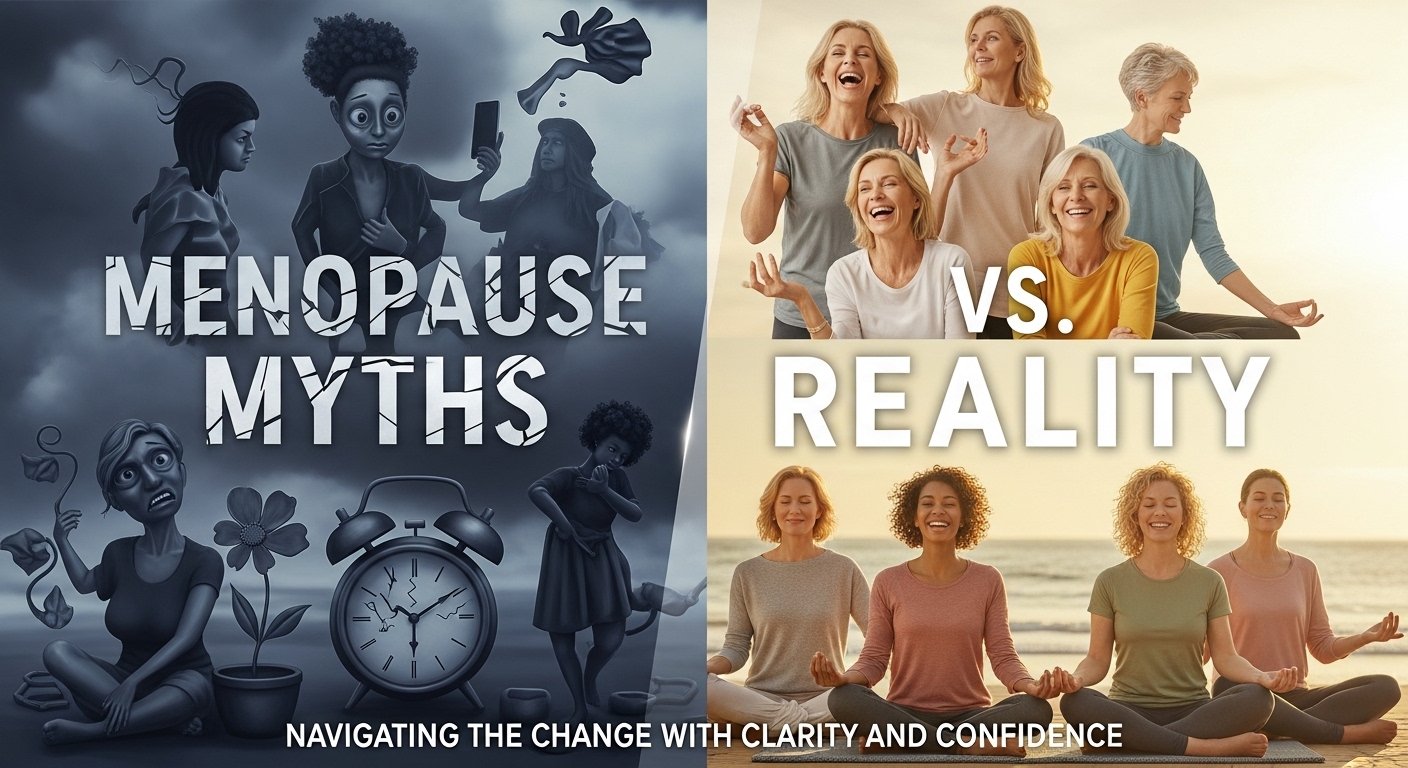
Many women carry myths and misperceptions about menopause long before they ever experience it shaped by whispered conversations with their grandmother, mother, or aunts who described “the change” as something to dread. In my experience working closely with women’s health, I’ve seen how limited knowledge and persistent misconceptions around symptoms like hot flashes, night sweats, mood changes, weight gain, and a dip in sex drive can create unnecessary anxiety about the future even before perimenopause begins.
The truth is, menopause applies to women at or after a certain age typically defined as one full year after your last period and while life changes are real, most women experience only mild to moderate symptoms. Thanks to growing awareness, open discussions, and more resources dedicated to women’s health care, treatment options today are better than ever. With the right self-care, planning, and support from your doctor, living a healthy, energetic life well into your 60s, 70s, and beyond is absolutely possible and it starts with separating fact from fear.
Understanding Menopause
Menopause is a natural biological transition, not a medical problem — yet it remains one of the most misunderstood phases of a woman’s life. Misconceptions can lead to unnecessary anxiety, undertreated symptoms, and missed opportunities to manage this transition well.
Menopause is confirmed after 12 consecutive months without a menstrual period and typically occurs between the ages of 45 and 55. The lead-up period — perimenopause — can begin years earlier and is when most symptoms first appear. Around 75% of women experience some menopausal symptoms, ranging from mild to more significant.
Below, we address six common myths using current evidence and Australian clinical guidelines from the RACGP and Menopause Australia.
Myth 1“Menopause happens suddenly” The Reality
Menopause is a gradual transition, not an overnight event. Perimenopause — the phase leading up to menopause — typically begins in a woman’s mid-to-late 40s and can last between two and ten years. During this time, oestrogen and progesterone levels fluctuate, leading to symptoms such as irregular periods, hot flushes, and mood changes. Recognising perimenopause early allows for proactive management.
Myth 2“All women experience severe symptoms” The Reality
Symptom experience varies considerably between women. Some have significant vasomotor symptoms such as hot flushes and night sweats; others have minimal or no symptoms at all. Factors including genetics, body weight, lifestyle, smoking status, and overall health all influence symptom severity. A GP assessment helps identify what is typical for you and what management, if any, is appropriate.
Myth 3“Menopause marks the end of sexual activity” The Reality
Hormonal changes during menopause — particularly falling oestrogen — can affect libido and cause genitourinary symptoms such as vaginal dryness and discomfort. These are treatable. Options range from local oestrogen therapy (applied directly to vaginal tissue) to non-hormonal lubricants and moisturisers, as well as menopausal hormone therapy (MHT) where appropriate. Open communication with your GP and partner is an important part of navigating these changes.
Myth 4“Menopause inevitably causes weight gain” The Reality
Weight change during menopause is not inevitable, but hormonal shifts can alter body composition — particularly increasing adipose tissue around the abdomen. Contributing factors include natural changes in metabolism with age, reduced physical activity, and dietary patterns. Current evidence supports regular aerobic and resistance exercise, and a balanced whole-food diet as the most effective tools for weight management during this life stage.
Myth 5“You’re too young to be perimenopausal” The Reality
Perimenopausal symptoms can begin in the late 30s or early 40s — sometimes years before the final menstrual period. Symptoms such as cycle irregularity, increased PMS, sleep disruption, and mood changes in this age group are often attributed to stress or other causes. If you are experiencing these symptoms, speak with your GP. Early recognition supports better long-term planning and management.
Myth 6“Hormone therapy is too dangerous to consider” The Reality
Concerns about hormone therapy largely stem from the misinterpretation of older research. Current Australian guidelines from Menopause Australia and the RACGP reflect a more nuanced and updated evidence base.
Menopausal hormone therapy (MHT) — the current preferred term — is the most effective treatment for vasomotor symptoms such as hot flushes and night sweats. For healthy women who are under 60 years of age, or within 10 years of their final menstrual period, and who have no specific contraindications, the benefits of MHT generally outweigh the risks.
MHT is not appropriate for everyone. An individualised discussion with your GP — considering your personal and family medical history — is essential before commencing treatment.
MHT should not be withheld from symptomatic women who are eligible and appropriately counselled. The decision to commence, continue, or stop MHT should be made collaboratively between the patient and their GP or specialist, reviewed regularly, and based on the individual’s evolving clinical picture.